


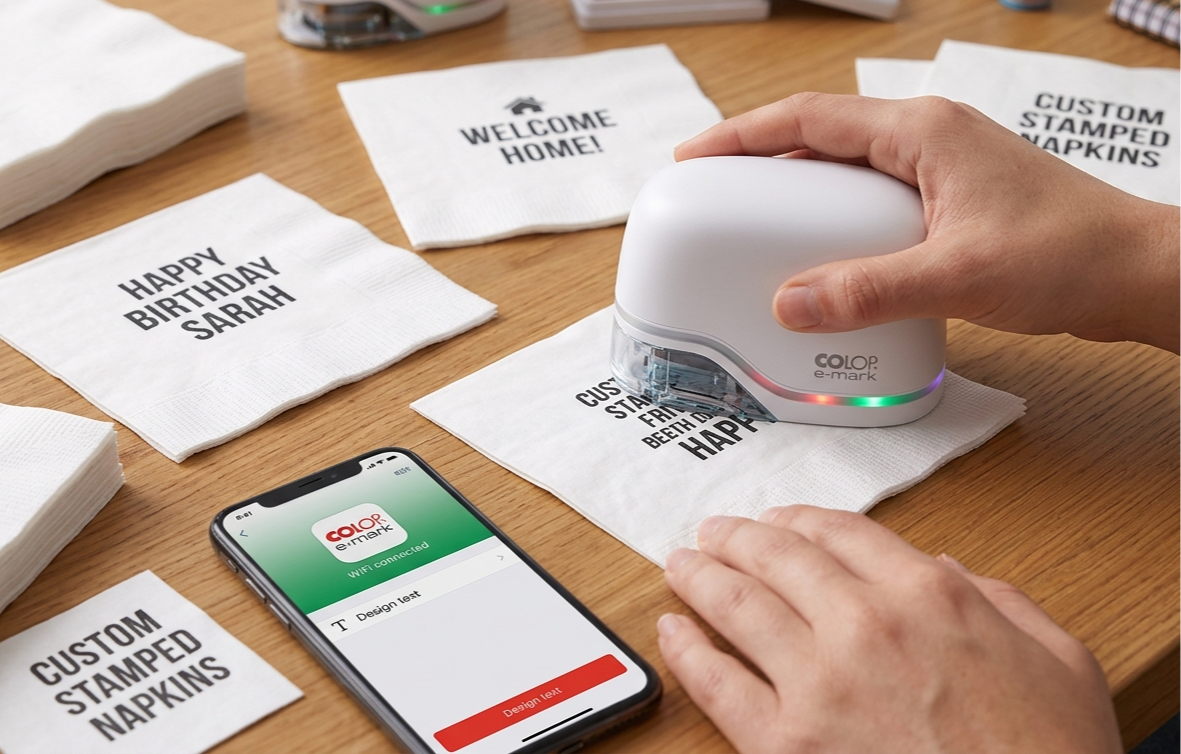
When you set out to do something, it’s a good idea to check for any technical or administrative pitfalls you might encounter. Over the last week, we’ve been researching inks – which ones are safe for skin contact, which ones are safe for food contact, and what are the actual laws in Bulgaria regarding printing on napkins? Will we need a licence, how are the inks and the material we print on tested, and so on. We wrote to the Bulgarian Food Safety Agency (BFSA) and are awaiting a reply.
We also have a new order for branded T-shirts and have sought advice on printing methods. We’ve learnt that sublimation printing, which colours the fabric and lasts longer, requires two things that we would struggle to meet - the T-shirts cannot be 100% cotton (and neither we nor our customers want that) and we need someone who can handle pre-press preparation.
That leaves the option of DTF transfers, which are more expensive and also require a good understanding of the process to get the print right. The truth is, our very first T-shirt order didn’t go well at all, and we’ve still got a few grey hairs from that time. As it is a product with a cause, our customers didn’t get angry with us, but we insist that if we do something, it must be done properly. That’s why we sought help and are preparing to organise a printing training course for social workers at the Iris Centre – skills that they can then pass on to young people with special needs.
We also have a new Lafetki website, where we explain the project more clearly and concisely. We’ve also started tracking our expenses against the budget we’ve set, to ensure complete transparency. On the website, you’ll also see new photos of Lafetki, taken by the wonderful Asya.
Thank you for your trust and support, and please share your thoughts on the design if you know more than we do 🤓